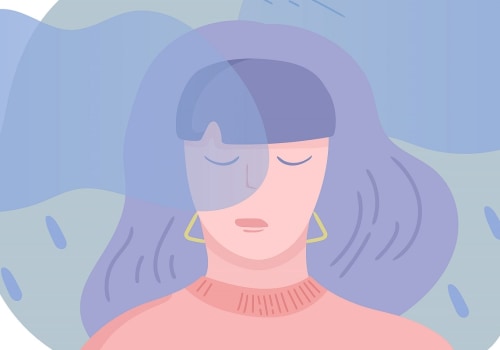
Major depression
, also known as major depressive disorder (MDD), is a serious mental health condition that affects millions of individuals worldwide. It is characterized by a persistent feeling of sadness, hopelessness, and a lack of interest or pleasure in activities that were once enjoyable. Unlike temporary feelings of sadness or grief, major depression can significantly impair daily functioning and quality of life. Understanding this disorder is crucial, as it not only impacts the individual but also their relationships, work, and overall well-being.To truly grasp what qualifies as major depression, it is essential to recognize its symptoms and the criteria used for diagnosis.
Individuals suffering from this condition may experience a range of emotional and physical symptoms, including fatigue, changes in appetite or weight, sleep disturbances, and feelings of worthlessness or excessive guilt. These symptoms must persist for at least two weeks to meet the diagnostic criteria outlined in the Diagnostic and Statistical Manual of Mental Disorders (DSM-5). This prolonged duration distinguishes major depression from other mood disorders and highlights the need for appropriate treatment.Moreover, major depression is not merely a reaction to life events such as loss or trauma; it can arise from a complex interplay of genetic, biological, environmental, and psychological factors. This multifaceted nature makes it imperative for individuals experiencing symptoms to seek professional help.
Early intervention can lead to effective treatment options, which may include psychotherapy, medication, or a combination of both. By understanding the significance of major depression and its impact on individuals and society, we can foster greater awareness and encourage those affected to seek the support they need.
Defining Major Depression
Major depression
, also known as
major depressive disorder
(MDD) or
clinical depression
, is a serious mental health condition characterized by a persistent feeling of sadness and a lack of interest or pleasure in previously enjoyed activities. This disorder significantly impacts an individual's daily functioning, emotional well-being, and overall quality of life.To qualify as major depression, the symptoms must be present for at least two weeks and represent a change from previous functioning. The Diagnostic and Statistical Manual of Mental Disorders (DSM-5) outlines specific criteria for diagnosing major depressive disorder, which includes:
- A depressed mood most of the day, nearly every day.
- Markedly diminished interest or pleasure in all, or almost all, activities.
- Significant weight loss when not dieting, weight gain, or decrease/increase in appetite.
- Insomnia or hypersomnia (excessive sleeping).
- Psychomotor agitation or retardation (restlessness or slowed movements).
- Fatigue or loss of energy.
- Feelings of worthlessness or excessive guilt.
- Diminished ability to think or concentrate, or indecisiveness.
- Recurrent thoughts of death or suicide.
It is important to note that major depression is distinct from other forms of depression, such as dysthymia , which involves chronic low-grade depression lasting for at least two years but may not meet the severity criteria for major depression.Major depressive disorder can occur in episodes that may last for weeks, months, or even years. The severity and duration of these episodes can vary widely among individuals. Furthermore, MDD can lead to significant impairments in social, occupational, and other important areas of functioning. It is crucial for individuals experiencing symptoms to seek professional help, as effective treatments are available that can alleviate symptoms and improve quality of life.
Symptoms of Major Depression
Major depression, also known as major depressive disorder (MDD), is characterized by a range of emotional and physical symptoms that can significantly impair daily functioning.Recognizing these symptoms is crucial for early intervention and effective treatment.
Emotional Symptoms
The emotional landscape of someone suffering from major depression can be overwhelming. Common emotional symptoms include:- Persistent Sadness: A deep, unshakable feeling of sadness that lasts most of the day, nearly every day.
- Anhedonia: A marked loss of interest or pleasure in almost all activities, including those that were once enjoyable.
- Feelings of Worthlessness or Guilt: Intense feelings of inadequacy or excessive guilt over past actions or perceived failures.
- Hopelessness: A pervasive sense that things will never improve, leading to despair about the future.
- Irritability: Increased irritability or frustration, even over small matters.
Physical Symptoms
In addition to emotional distress, major depression often manifests through various physical symptoms. These may include:- Changes in Appetite: Significant weight loss or gain due to changes in eating habits, often resulting from a lack of interest in food or emotional eating.
- Sleep Disturbances: Insomnia (difficulty sleeping) or hypersomnia (excessive sleeping) can both be prevalent, disrupting normal sleep patterns.
- Lethargy and Fatigue: A constant feeling of tiredness or lack of energy that makes even simple tasks feel overwhelming.
- Pain and Discomfort: Unexplained physical aches and pains, such as headaches or digestive issues, which do not have a clear medical cause.
Early recognition and treatment can lead to better outcomes and improved quality of life.
Diagnosis Criteria for Major Depression
Diagnosing major depression, also known as major depressive disorder (MDD), involves a comprehensive evaluation by a qualified mental health professional. The criteria for diagnosis are primarily outlined in the Diagnostic and Statistical Manual of Mental Disorders, Fifth Edition (DSM-5) , published by the American Psychiatric Association. This manual serves as a critical tool for clinicians in identifying and categorizing mental health disorders.According to the DSM-5, an individual must meet specific criteria to be diagnosed with major depression. These criteria include:- Presence of Symptoms: The individual must experience at least five of the following symptoms during the same two-week period, and at least one of the symptoms must be either a depressed mood or loss of interest or pleasure:
- Depressed mood most of the day, nearly every day.
- Markedly diminished interest or pleasure in all, or almost all, activities.
- Significant weight loss when not dieting, weight gain, or decrease/increase in appetite.
- Insomnia or hypersomnia (excessive sleeping) nearly every day.
- Psychomotor agitation or retardation (restlessness or being slowed down).
- Fatigue or loss of energy nearly every day.
- Feelings of worthlessness or excessive guilt.
- Diminished ability to think or concentrate, or indecisiveness.
- Recurrent thoughts of death, suicidal ideation, or suicide attempt.
- Duration: The symptoms must persist for at least two weeks and represent a change from previous functioning.
- Functional Impairment: The symptoms must cause clinically significant distress or impairment in social, occupational, or other important areas of functioning.
- Exclusion of Other Conditions: The episode must not be attributable to the physiological effects of a substance (e.g., drug abuse, medication) or another medical condition (e.g., hypothyroidism).
They may also use standardized assessment tools to evaluate the severity and impact of depressive symptoms. It is essential for individuals experiencing signs of major depression to seek professional help, as early diagnosis and intervention can significantly improve outcomes.In summary, understanding the diagnostic criteria for major depression is crucial for both patients and healthcare providers. Recognizing these signs can lead to timely treatment and support, ultimately enhancing quality of life for those affected by this serious mental health condition.
Causes and Risk Factors of Major Depression
Understanding the causes and risk factors associated with major depression is crucial for both prevention and effective treatment. Major depressive disorder (MDD) is a complex condition influenced by a combination of genetic, environmental, and psychological factors.Genetic Factors
Research indicates that genetics play a significant role in the development of major depression.Individuals with a family history of depression are at a higher risk of experiencing similar issues. Studies suggest that certain genes may affect neurotransmitter systems, particularly serotonin and norepinephrine, which are critical in regulating mood. However, while genetics can predispose someone to depression, they do not guarantee its onset.
Environmental Influences
The environment in which a person lives can significantly impact their mental health. Stressful life events such as the loss of a loved one, divorce, or job loss can trigger major depression.Additionally, ongoing stressors like financial difficulties or chronic illness can contribute to the development of this disorder. Childhood trauma , including abuse or neglect, is another critical environmental factor that has been linked to an increased risk of major depression later in life.
Psychological Factors
Certain psychological traits can also heighten the risk of developing major depression. Individuals with low self-esteem, high levels of anxiety, or those who tend to be overly critical of themselves may be more susceptible to this disorder. Furthermore, cognitive patterns such as negative thinking or pessimism can exacerbate feelings of hopelessness and despair, leading to a higher likelihood of experiencing major depressive episodes.Biological Factors
Biological factors, including hormonal changes and imbalances in brain chemistry, are also significant contributors to major depression.For instance, fluctuations in hormones during puberty, pregnancy, or menopause can trigger depressive symptoms in some individuals. Additionally, medical conditions such as thyroid disorders or chronic illnesses can mimic or exacerbate symptoms of major depression.In summary, the causes and risk factors for major depression are multifaceted and interrelated. Understanding these elements is essential for identifying individuals at risk and providing appropriate interventions to mitigate the impact of this debilitating disorder.
Impact of Major Depression on Daily Life
Major depression, also known as major depressive disorder (MDD), can significantly disrupt an individual's daily life, affecting both emotional well-being and physical functioning. The pervasive nature of this condition often leads to a range of challenges that can hinder a person's ability to engage in everyday activities.One of the most profound impacts of major depression is the loss of interest in activities that were once enjoyable.This phenomenon, known as anhedonia, can make even simple tasks feel overwhelming. Individuals may find themselves withdrawing from social interactions, hobbies, and responsibilities, leading to feelings of isolation and loneliness.In addition to emotional challenges, major depression can manifest physically. Many individuals experience significant changes in appetite and sleep patterns. Some may overeat or lose their appetite entirely, resulting in noticeable weight gain or loss.
Sleep disturbances are also common; some may struggle with insomnia, while others may sleep excessively yet still feel fatigued. This constant state of exhaustion can further exacerbate feelings of hopelessness and despair.The cognitive effects of major depression can be equally debilitating. Individuals often report difficulties with concentration, decision-making, and memory. These cognitive impairments can hinder performance at work or school, leading to decreased productivity and increased stress.
The inability to focus can create a vicious cycle where the individual feels overwhelmed by their responsibilities, which in turn worsens their depressive symptoms.Moreover, the emotional toll of major depression can lead to feelings of worthlessness and guilt. Individuals may ruminate on past mistakes or perceive themselves as failures, which can further diminish self-esteem. This negative self-perception not only affects personal relationships but can also create barriers to seeking help or support.In summary, the impact of major depression on daily life is profound and multifaceted. From emotional withdrawal and physical fatigue to cognitive impairments and feelings of worthlessness, those living with this disorder face numerous challenges that can significantly affect their quality of life.
Recognizing these effects is crucial for understanding the importance of seeking appropriate treatment and support.
Treatment Options for Major Depression
Managing major depression effectively requires a comprehensive approach that often combines various treatment modalities. The primary options include psychotherapy, medication, and alternative therapies, each playing a crucial role in alleviating symptoms and improving overall quality of life.Psychotherapy Options
Psychotherapy, commonly referred to as talk therapy, is a cornerstone in the treatment of major depressive disorder. Several therapeutic approaches have shown effectiveness:- Cognitive Behavioral Therapy (CBT): This evidence-based approach focuses on identifying and changing negative thought patterns and behaviors that contribute to depression. CBT helps individuals develop coping strategies and problem-solving skills.
- Interpersonal Therapy (IPT): IPT emphasizes the importance of interpersonal relationships and social functioning.
It aims to improve communication skills and resolve conflicts that may be contributing to depressive symptoms.
- Dialectical Behavior Therapy (DBT): Originally developed for borderline personality disorder, DBT has been adapted for major depression. It combines cognitive-behavioral techniques with mindfulness practices to help individuals manage emotions and reduce self-destructive behaviors.
- Psychodynamic Therapy: This approach explores unconscious processes and past experiences that influence current behavior. By understanding these dynamics, individuals can gain insight into their emotional struggles.
Medications for Major Depression
In addition to psychotherapy, medications can be an effective treatment option for major depression. Antidepressants are the most commonly prescribed medications and include:- Selective Serotonin Reuptake Inhibitors (SSRIs): These are often the first-line treatment due to their favorable side effect profile.
SSRIs work by increasing serotonin levels in the brain, which can help improve mood.
- Serotonin-Norepinephrine Reuptake Inhibitors (SNRIs): SNRIs target both serotonin and norepinephrine, neurotransmitters that play a role in mood regulation. They may be particularly effective for individuals with more severe symptoms.
- Atypical Antidepressants: This category includes medications that do not fit neatly into other classes but can be effective for treating major depression. Examples include bupropion and mirtazapine.
- Tricyclic Antidepressants (TCAs): While less commonly prescribed today due to potential side effects, TCAs can be effective for some individuals who do not respond to other treatments.
Alternative Therapies
For those seeking additional support or who may not respond well to traditional treatments, alternative therapies can provide relief:- Exercise: Regular physical activity has been shown to have antidepressant effects by releasing endorphins and improving overall well-being.
- Meditation and Mindfulness: Practices that promote mindfulness can help reduce stress and improve emotional regulation.
- Nutritional Supplements: Some studies suggest that omega-3 fatty acids, vitamin D, and certain amino acids may support mood improvement.
Coping Strategies and Support Systems
Managing major depression can be a daunting challenge, but implementing effective coping strategies and establishing a robust support system can significantly improve one’s quality of life.Here are some practical approaches to cope with major depressive disorder:
Self-Help Strategies
- Establish a Routine: Creating a daily schedule can provide structure and a sense of normalcy. Aim to wake up, eat, and go to bed at the same time each day.
- Engage in Physical Activity: Regular exercise has been shown to alleviate symptoms of depression. Even a short walk can boost your mood by releasing endorphins.
- Practice Mindfulness and Meditation: Techniques such as mindfulness meditation can help you stay grounded and reduce feelings of anxiety and sadness.
- Maintain a Healthy Diet: Eating a balanced diet rich in fruits, vegetables, whole grains, and lean proteins can positively impact your mood and energy levels.
- Avoid Alcohol and Drugs: Substances can exacerbate depressive symptoms and interfere with treatment. Staying sober is crucial for recovery.
The Importance of Support Systems
A strong support system is vital for anyone coping with major depression.Here are some ways to build and utilize your support network:
- Reach Out to Friends and Family: Don’t hesitate to share your feelings with trusted loved ones. They can provide emotional support and understanding during tough times.
- Join Support Groups: Connecting with others who are experiencing similar challenges can foster a sense of belonging and reduce feelings of isolation.
- Seek Professional Help: Therapists or counselors can offer guidance tailored to your specific needs. Cognitive-behavioral therapy (CBT) is particularly effective for many individuals with major depression.
- Utilize Online Resources: Many organizations provide online forums, hotlines, and resources that can help you connect with others and find information about managing depression.
Frequently Asked Questions about Major Depression
Understanding major depression can be challenging, especially with the prevalence of myths and misconceptions surrounding this serious mental health condition.Below are some frequently asked questions that aim to clarify common doubts and provide accurate information about major depressive disorder.
What are the main symptoms of major depression?
The symptoms of major depression can vary widely among individuals, but they typically include:- Persistent sadness: A continuous feeling of emptiness or hopelessness.
- Anhedonia: A marked loss of interest or pleasure in almost all activities.
- Changes in appetite: Significant weight loss or gain, or changes in eating habits.
- Sleep disturbances: Insomnia or hypersomnia (excessive sleeping).
- Fatigue: A constant lack of energy or motivation.
- Feelings of worthlessness: Intense feelings of guilt or inadequacy.
- Cognitive difficulties: Trouble concentrating, making decisions, or remembering things.
- Suicidal thoughts: Recurrent thoughts of death or suicide.
How is major depression diagnosed?
A diagnosis of major depression is typically made by a qualified mental health professional. They will assess the individual’s symptoms based on criteria outlined in the Diagnostic and Statistical Manual of Mental Disorders (DSM). To qualify for a diagnosis, symptoms must be present for at least two weeks and must significantly impair daily functioning.Is major depression the same as feeling sad?
No, while everyone experiences sadness at times, major depression is a clinical condition that involves a range of severe symptoms that persist over time. It is not simply a reaction to life events but rather a complex disorder that requires appropriate treatment.Can major depression be treated?
Yes, major depression is treatable.Common treatment options include:
- Psychotherapy: Talk therapy can help individuals understand their feelings and develop coping strategies.
- Medications: Antidepressants may be prescribed to help balance chemicals in the brain.
- Lifestyle changes: Regular exercise, a healthy diet, and adequate sleep can also support recovery.
What are some common myths about major depression?
- Mental illness is a sign of weakness: This is false; mental health disorders can affect anyone regardless of their strength or character.
- You can just 'snap out' of it: Major depression is not something one can simply overcome through willpower alone; it often requires professional help.
- Treatment is not effective: Many people find relief from their symptoms through various treatment options.
Conclusion: Understanding Major Depression for Better Outcomes
In summary, understanding major depression is crucial for both individuals experiencing it and those around them. This mental health condition, also known as major depressive disorder, is characterized by a persistent feeling of sadness and a significant loss of interest in activities that were once enjoyable. Recognizing the symptoms early can lead to timely intervention and treatment, which is essential for improving quality of life.Major depression is not merely a fleeting feeling of sadness; it is a complex disorder that can severely impact daily functioning.Symptoms such as changes in appetite, sleep disturbances, fatigue, feelings of worthlessness, and even thoughts of self-harm or suicide are serious indicators that require immediate attention. It is important to note that these symptoms must persist for at least two weeks for a diagnosis to be made.Effective treatment options are available, including psychotherapy, medication, and in some cases, electroconvulsive therapy. Each individual may respond differently to treatment, highlighting the importance of personalized care plans tailored to their specific needs. Engaging with mental health professionals can provide the necessary support and guidance to navigate through this challenging condition.Moreover, understanding the nuances of major depression can foster empathy and support from friends and family members.
It is vital for loved ones to recognize that the affected individual is not simply being lazy or unmotivated; rather, they are grappling with a debilitating illness that requires compassion and understanding.In conclusion, raising awareness about major depression can lead to better outcomes for those affected. By promoting open discussions about mental health and encouraging individuals to seek help when needed, we can work towards reducing the stigma associated with this disorder. Ultimately, a comprehensive understanding of major depression empowers individuals to take proactive steps toward recovery and enhances the overall well-being of our communities.